
Call This Friday to Get $50 Off
Call This Friday to Get $50 Off
You’ve probably heard about hard water vs. soft water, but have you ever taken a step to find out which one is in your home? More importantly, do you have an idea how the quality of the water in your home impacts your plumbing, appliances, health, and everyday tasks? You’ll be surprised to learn just how much of a difference it makes. Luckily, you’ve come to the right place.
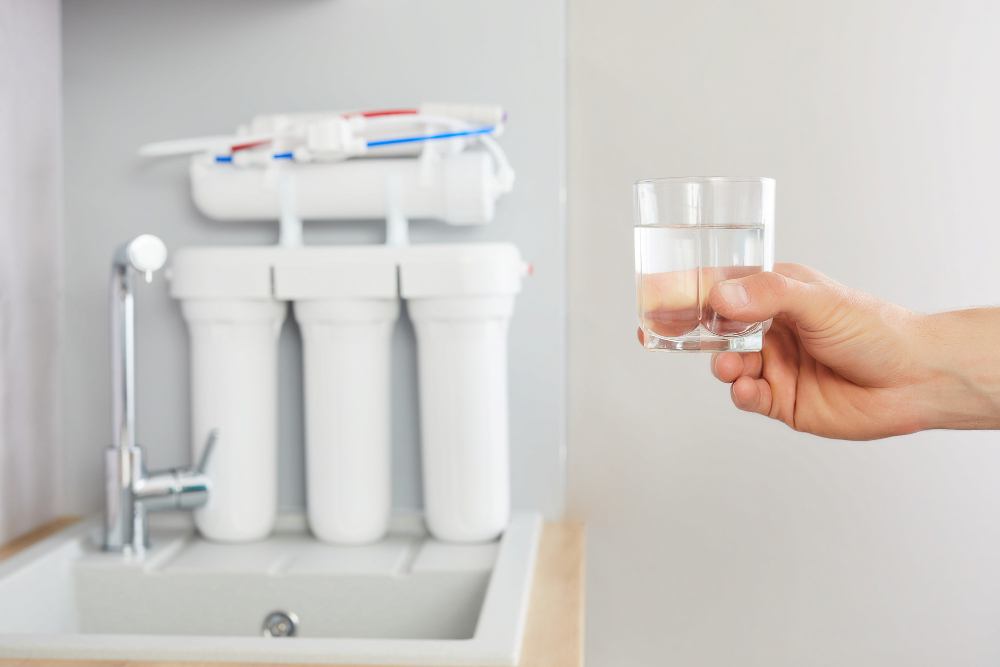
In this post, the team at High Speed Plumbing breaks down everything you need to know about hard water vs. soft water and how water filtration installation can improve your water quality.
When your water line starts acting up, it can threaten your home with unexpected leaks or…
Read More
Whether you’re stepping into an unexpectedly cold shower or noticing unusual sounds from your heater, it's…
Read More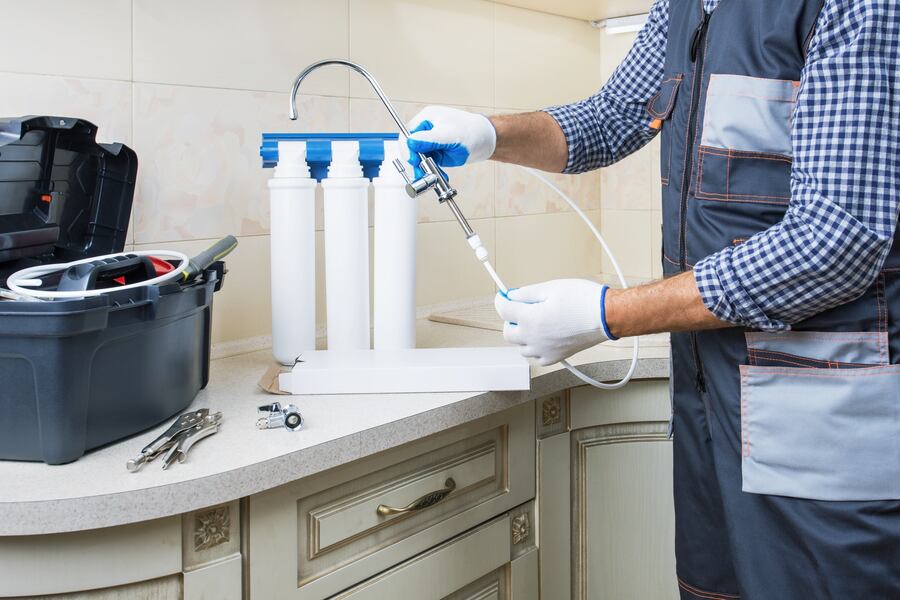
If you want to protect your home and family’s health, the water you drink, cook with,…
Read MoreHard water contains high concentrations of minerals, especially calcium and magnesium. While these minerals aren’t harmful to your health, they can create a variety of problems inside your home. Hard water is extremely common in many regions, especially areas with mineral-rich soil and groundwater.
Signs that you may have hard water include:
Over time, hard water can cause significant wear on your plumbing system, damage water heaters, and shorten the lifespan of dishwashers, washing machines, and other appliances. Call a local plumbing service to help you install a water softener and say goodbye to all these issues.
Soft water is treated to remove excess minerals through a process known as ion exchange. This process replaces calcium and magnesium ions with sodium or potassium ions. The common signs of soft water include:
Soft water also helps extend the life of plumbing systems and reduces the need for frequent repairs or descaling.
If you’re unsure whether your home has hard or soft water, there are several ways to find out:
At High Speed Plumbing, we’ve seen firsthand how hard water can damage your pipes, ruin your fabrics, and affect cleaning in your home. If you’ve noticed signs of hard water in your home, High Speed Plumbing can help. Our plumbers have the skills, knowledge, and advanced tools to install all types of water softeners and filters. We’ll analyze your water to determine what’s in it and help you select the right water softening system. Apart from installing water softeners, we take pride in offering water filtration installation in Buckeye, AZ to help you enjoy clean, safe, and healthy water. Contact us today to schedule a consultation with our team.
The toilet is one of the hardest working fixtures in your home, silently handling thousands of…
Standing under a shower-head that barely produces enough water pressure to rinse off shampoo properly is…
Keeping your plumbing system in top shape requires more than just a plunger and a little…
Kitchen waste disposal is more than taking out the trash; it is a lifestyle shift toward…
Water is life. This is reality, as we rely on this vital resource for everyday activities,…
As a homeowner, maintaining water quality is a top priority for enhanced safety and health. Whether…
