
Call This Saturday to Get $50 Off
Do You Need a Local Plumber in Phoenix
Call This Saturday to Get $50 OFF
Call This Saturday to Get $50 Off
Do You Need a Local Plumber in Phoenix
Call This Saturday to Get $50 OFF
When it comes to maintaining a dry basement or crawlspace, collecting groundwater before it wreaks havoc and pumping it away from your foundation is essential. With that said, investing in professional sump pump installation and maintenance can help prevent water damage and costly restorations down the line. At High Speed Plumbing, we understand the complexities of different systems on the market, helping you choose the right system for your needs. If you live in a flood-prone area, whether it’s due to a high water table or heavy rain, we can help. Let’s delve into how installing a sump pump can keep your home dry all year round.

The primary role of a sump pump is to collect groundwater before it reaches the lowest areas of your home and pump it away at a safe distance. Water collects in a pit or sump basin that’s dug into the lowest part of your home, typically the basement or crawlspace. Once it reaches a float switch, water triggers the pump that uses a spinning impeller to push water further from the foundation.
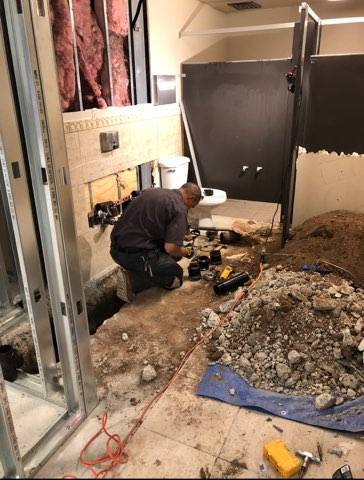
When your water line starts acting up, it can threaten your home with unexpected leaks or…
Read More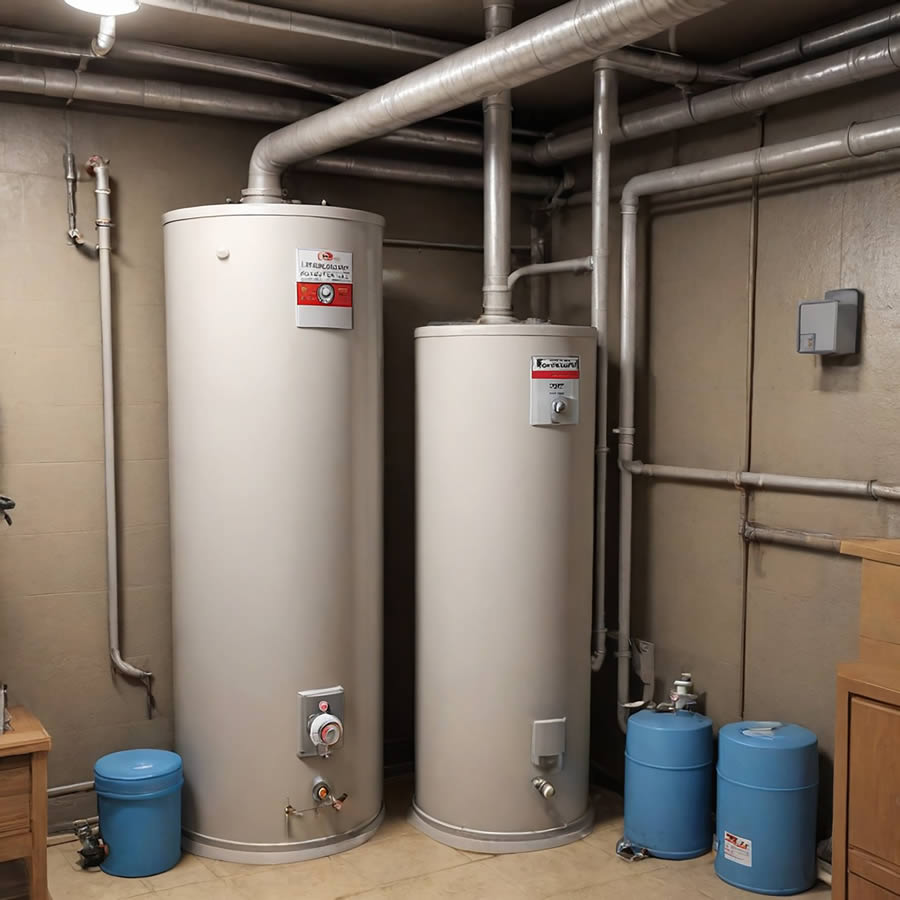
Whether you’re stepping into an unexpectedly cold shower or noticing unusual sounds from your heater, it's…
Read More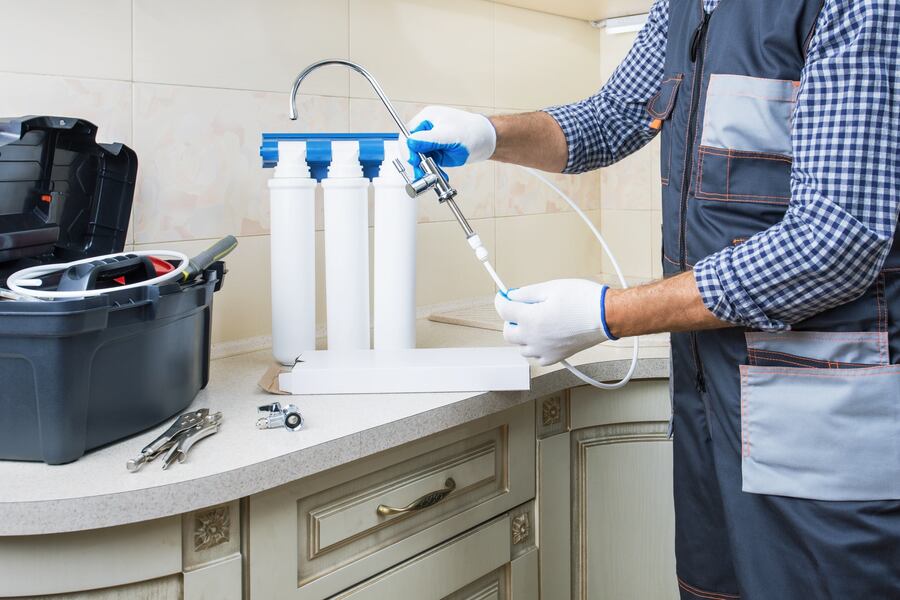
If you want to protect your home and family’s health, the water you drink, cook with,…
Read MoreAccording to plumbing service providers, water should be dispersed at least 10 feet away from the building. Professional plumbers usually integrate a check valve to prevent backflow and water damage. If you live in a high-risk area, ensuring excess water has somewhere to go can prevent structural damage and costly repairs.
Still not sure about installing a sump pump? If so, familiarizing yourself with the forces of nature that work against your foundation can help you make informed decisions. While a professional sump pump installation may come with an upfront fee, the long-term benefits and potential savings on water damage restoration outweigh this initial investment.
Over time, the soil around your home can become saturated during heavy rainstorms. If left unchecked, it creates hydrostatic pressure, which means the entire weight of the water in the soil is pushing against your basement walls. Without a release valve, the pressure can cause water to permeate through small cracks in the concrete or up through the floor. This is where sump pump installation comes in to improve drainage and prevent water damage.
A plumber in Avondale, AZ usually digs a 2-foot deep and 18-inch wide hole in the lowest part of your home, also known as a sump pit or basin. The hole is lined with a metal or plastic sleeve, collecting groundwater rather than letting it seep across your floor. A pump is gently placed into the pit, typically a centrifugal pump for homes, which is designed to remove water when it reaches the float switch or a pressure sensor.
Once the motor activates, a spinning impeller creates a vacuum that draws in and flushes out water in the pit through a discharge pipe. A critical component that is often overlooked is the check valve, which prevents gravity from pulling water in the pipe back into the pit once it stops running. Although knowing what to do in an emergency can make a big difference, a functioning check valve can prevent one from happening.
As a property owner, understanding how a sump pump protects against flooding in the basement is the first step toward a drier and safer home. Whether you are dealing with the flush floods of a summer thunderstorm or the rapid snowmelt of spring, investing in a sump pump is wise. Contact High Speed Plumbing to book an appointment with our plumbers and ensure that your home stays dry year-round.

Even the most robust gas line systems can develop issues that threaten safety and impact appliance…

A faucet that becomes difficult to turn, starts dripping, or develops reduced water flow may be…

When was the last time you thought about the condition of your home’s main water line?…

Is there a rumbling or popping noise coming from the hot water tank? Have you noticed…
.webp)
Have you noticed that your shower head delivers a weak trickle instead of a strong stream?…

The garbage disposal is an invaluable appliance to have in the kitchen, if working correctly. However,…
