
Call This Friday to Get $50 Off
Call This Friday to Get $50 Off
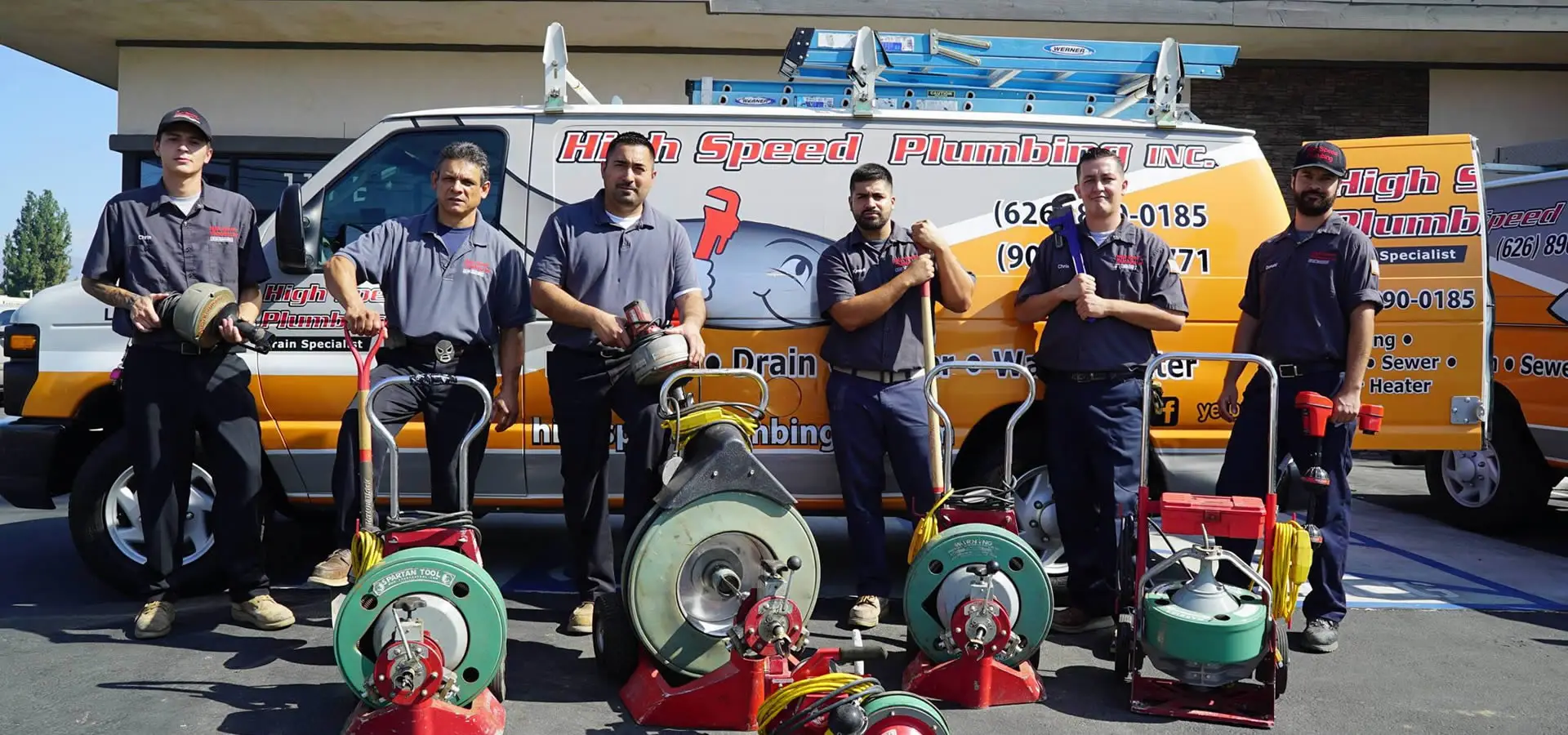
Maintaining clear plumbing vents is crucial for efficiently functioning your home's system. Clogged ducts can cause slow drains, gurgling noises, and even sewer gas odors, which prompt the expertise of a professional plumbing service. If you prefer a hands-off approach, High Speed Plumbing can inspect, clean, and repair your vents. Here's a guide on how to clear debris from your plumbing vents to ensure your system runs smoothly.
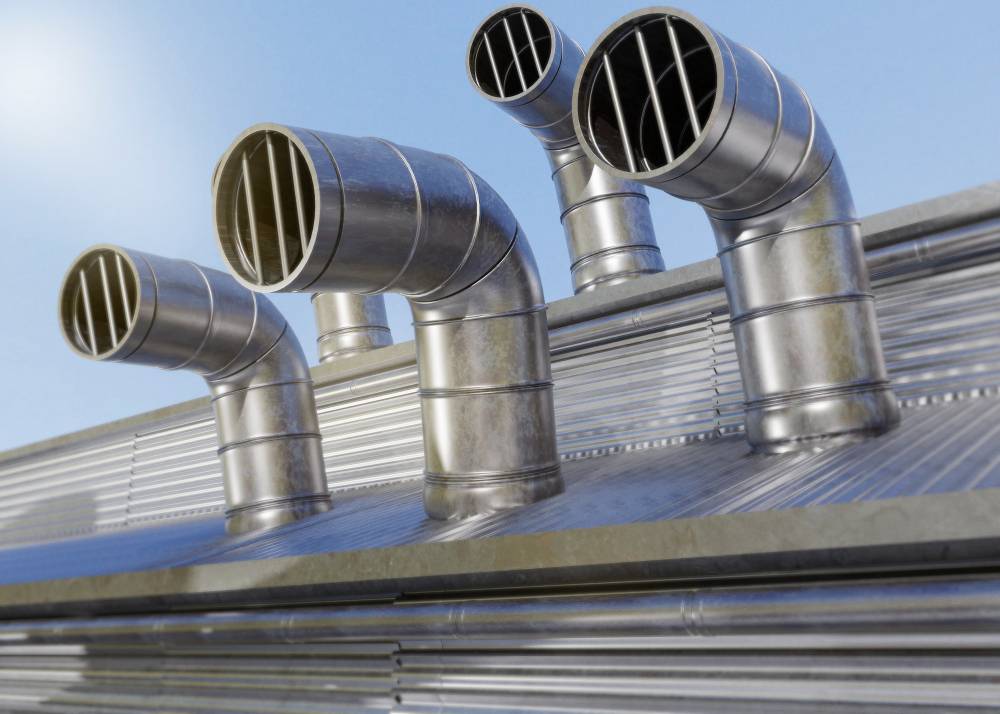
The first step in clearing debris from your plumbing vents is to locate them. Generally, plumbing vents are situated on the roof, emerging as vertical pipes. They allow air to enter the plumbing system, ensuring water flows smoothly through the drains. Use a ladder to access your roof safely. Once there, identify the vent pipes, usually positioned above the bathrooms or kitchen. Be cautious while on the roof, and if you're uncomfortable with heights, consider hiring a plumbing service.
When your water line starts acting up, it can threaten your home with unexpected leaks or…
Read More
Whether you’re stepping into an unexpectedly cold shower or noticing unusual sounds from your heater, it's…
Read More
If you want to protect your home and family’s health, the water you drink, cook with,…
Read MoreAfter locating the vents, the next step is to inspect the vent opening. Look for visible obstructions such as leaves, twigs, bird nests, or other debris. These blockages can significantly obstruct the proper airflow for the plumbing system. Using a flashlight, carefully examine the interior of the vent pipe. If the obstruction is within reach, you can remove it manually. However, additional tools or hire a plumber if necessary for deeper or more complex blockages.
For blockages that aren't visible or easily accessible, a plumber's snake can be very effective. Insert the snake into the vent opening and push it through the pipe. Rotate the snake to break up and dislodge any debris. This method is particularly useful for clearing stubborn clogs further down the pipe. Continue feeding the snake until you feel resistance, then rotate and push gently to break up the blockage. Once you've cleared the obstruction, slowly retract the snake, taking care not to damage the vent pipe.
After removing the debris with a plumber's snake, it's a good idea to flush the vent with water to ensure it's completely clear. Using a garden hose, insert it into the vent pipe and run water through it. This will help remove any remaining debris and confirm the vent is unobstructed. If the water backs up and doesn't flow freely, this indicates that there may still be a blockage further down the pipe. Repeat the process with the plumber's snake or work with a plumbing service.
Prevention is always better than cure, and there are several steps you can take to minimize the risk of future blockages in your plumbing vents. Install vent covers or screens to keep out leaves, twigs, and other debris. Regularly inspect and clean these covers to ensure they don't become clogged. Additionally, keep an eye on nearby trees and plants, trimming back branches that could drop leaves or other debris onto your roof. Regular maintenance by a plumbing repair service can keep your plumbing vents clear and your system functioning efficiently.
Clearing debris from your plumbing vents is essential for maintaining a healthy and efficient system. Contact us at High Speed Plumbing and schedule regular maintenance and timely interventions to prevent more significant issues. If you're ever in doubt or uncomfortable performing these tasks, we can dispatch professional plumbing repair service experts to help.
The toilet is one of the hardest working fixtures in your home, silently handling thousands of…
Standing under a shower-head that barely produces enough water pressure to rinse off shampoo properly is…
Keeping your plumbing system in top shape requires more than just a plunger and a little…
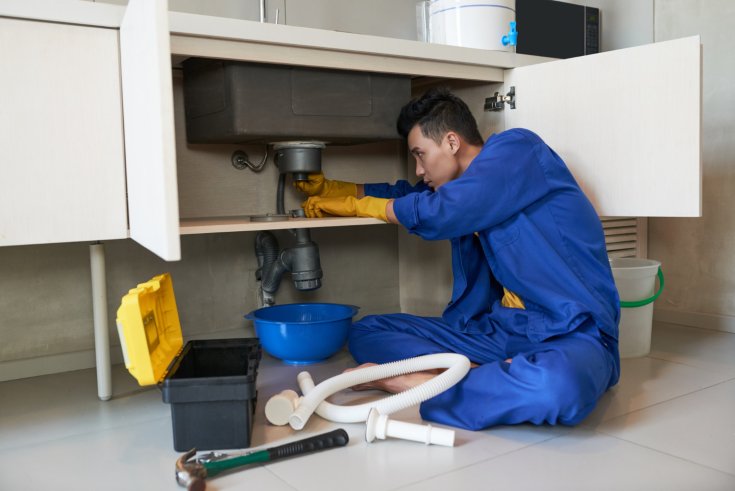
Kitchen waste disposal is more than taking out the trash; it is a lifestyle shift toward…
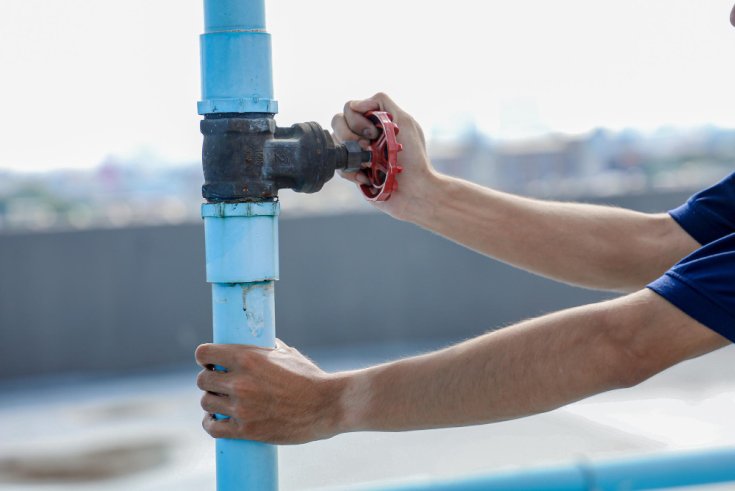
Water is life. This is reality, as we rely on this vital resource for everyday activities,…
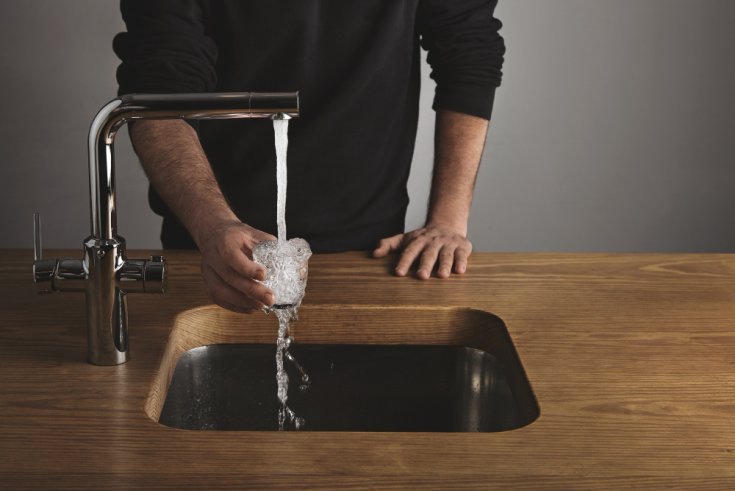
As a homeowner, maintaining water quality is a top priority for enhanced safety and health. Whether…
