
Call This Friday to Get $50 Off
Call This Friday to Get $50 Off

As a property owner, maintaining an efficient plumbing system is vital. However, there are frustrating scenarios like stubborn calcium deposits on your faucets that prompt the expertise of a professional plumber. Call High Speed Plumbing if you notice this chalky-white buildup or limescale. While it may not be a major concern, ignoring it affects the appearance of your faucets and causes plumbing problems. The last thing any homeowner wants is frequent faucet replacement emergencies. Here is a helpful guide to remove limescale buildup from your faucets.
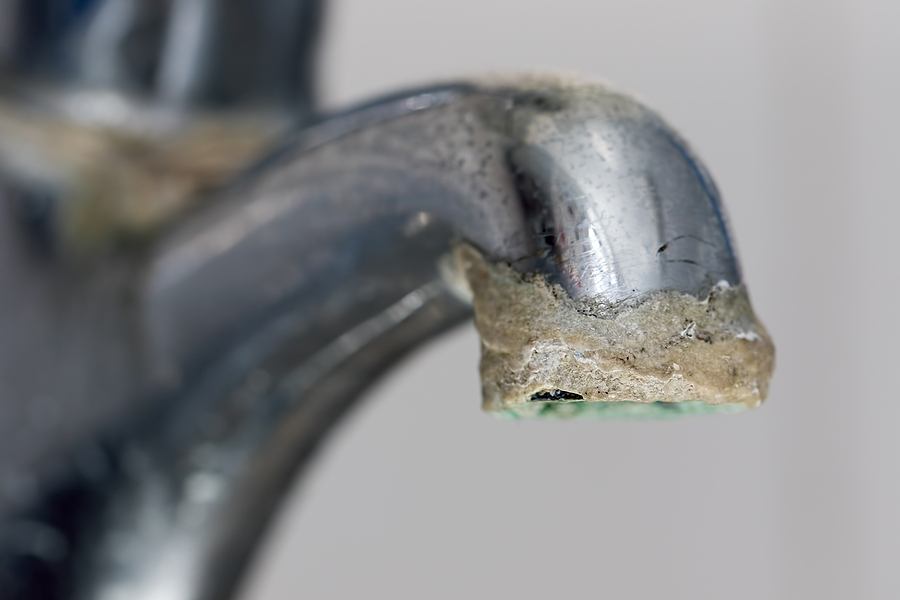
Before you begin, ensure you have the proper supplies. You’ll need white vinegar, a spray bottle, a soft cloth or sponge, a toothbrush, and possibly a pair of pliers to disassemble any parts of your faucet. You can find these items from the local store, but if you prefer a more hands-off approach, hire a plumbing repair service.
When your water line starts acting up, it can threaten your home with unexpected leaks or…
Read More
Whether you’re stepping into an unexpectedly cold shower or noticing unusual sounds from your heater, it's…
Read More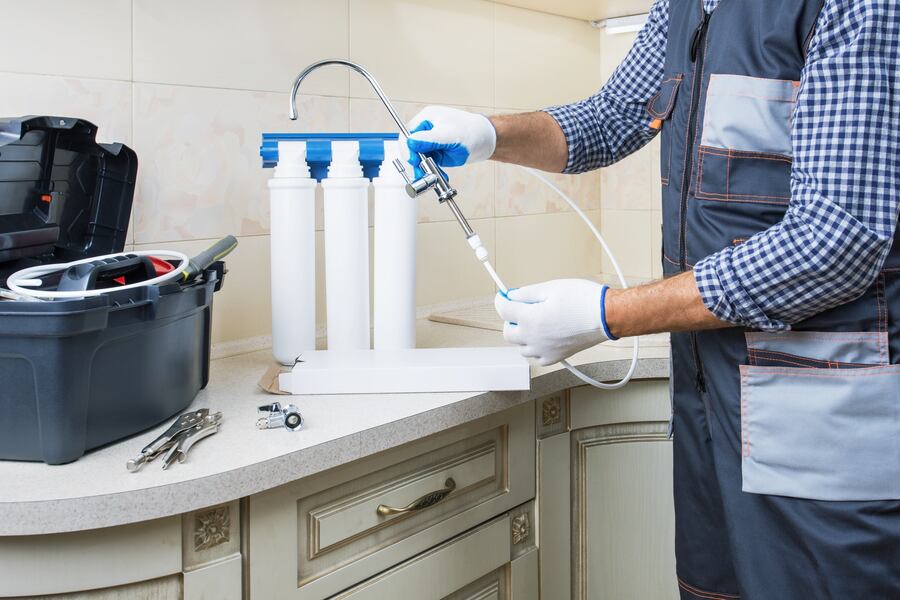
If you want to protect your home and family’s health, the water you drink, cook with,…
Read MoreMix equal parts of white vinegar and water in a spray bottle. Use the vinegar solution as your primary weapon against calcium buildup. Vinegar is acidic and breaks down mineral deposits effectively. If your faucet has removable parts, such as handles or aerators, disconnect them carefully. This will allow you to access hard-to-reach areas affected by calcium buildup.
Spray the vinegar solution generously onto the affected areas of your faucet. Ensure that the solution covers the calcium buildup. Allow it to sit for 15-20 minutes to dissolve the limescale. Using a soft cloth or sponge, scrub the faucet gently to dislodge the softened calcium deposits. You can use an old toothbrush to reach crevices and corners for more stubborn buildup. Be careful not to scratch the faucet’s surface.
Once you’ve removed the calcium buildup, rinse the faucet thoroughly with water to wash away any remaining vinegar residue. Use a clean, dry cloth to wipe the faucet dry. This step is crucial to prevent future mineral deposits and costly faucet replacement emergencies. If you disassemble any parts, carefully reattach them to the faucet. Ensure everything is securely in place. Tighten screws and connections as needed.
There are several measures to prevent calcium buildup and keep your faucets free from unsightly deposits. Consider installing a water softener in your home’s plumbing system to reduce the hardness of your water, a common cause of limescale. In addition, using a water filter can help remove minerals from your tap water before they accumulate on your faucets. We recommend scheduling routine inspections with a reputable plumbing repair service to detect minor signs of deterioration before things get out of hand.
Dealing with calcium buildup on your faucets is frustrating, but with the right approach, you can remove it and keep your faucets looking and functioning like new. Follow these step-by-step instructions and take preventive measures to ensure your faucets remain free of calcium deposits. Contact us at High Speed Plumbing and talk to a professional plumber about maintaining clean water for your everyday needs. Say goodbye to unsightly buildup and enjoy shiny faucets in your home.
The toilet is one of the hardest working fixtures in your home, silently handling thousands of…

Standing under a shower-head that barely produces enough water pressure to rinse off shampoo properly is…

Keeping your plumbing system in top shape requires more than just a plunger and a little…

Kitchen waste disposal is more than taking out the trash; it is a lifestyle shift toward…

Water is life. This is reality, as we rely on this vital resource for everyday activities,…
As a homeowner, maintaining water quality is a top priority for enhanced safety and health. Whether…
