
Call This Thursday to Get $50 Off
Do You Need a Local Plumber in Phoenix
Call This Thursday to Get $50 OFF
Call This Thursday to Get $50 Off
Do You Need a Local Plumber in Phoenix
Call This Thursday to Get $50 OFF

Seeing rusty water come out of taps can be unsettling. One of the most common culprits behind rusty water is old pipes. Aging pipes can release rust particles into the water as it flows through. The worn protective coatings and oxidized iron often end up in the water flowing through the pipes. The only way to get rid of rusty water is to replace old pipes.

Repiping an entire home can improve water quality, eliminate recurring leaks, and restore your peace of mind. You should have a professional plumbing service repipe your home if your pipes have seen better days. The team at High Speed Plumbing is here to inspect your plumbing and help you replace aging pipes. Today, we are going to talk about the link between rusty water and old pipes.
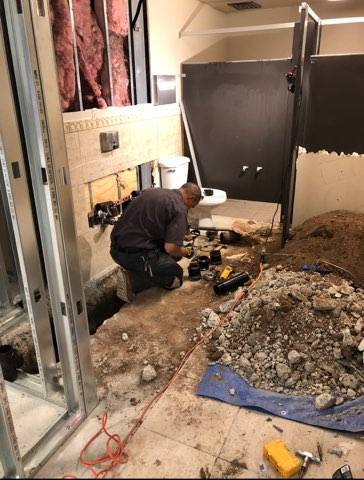
When your water line starts acting up, it can threaten your home with unexpected leaks or…
Read More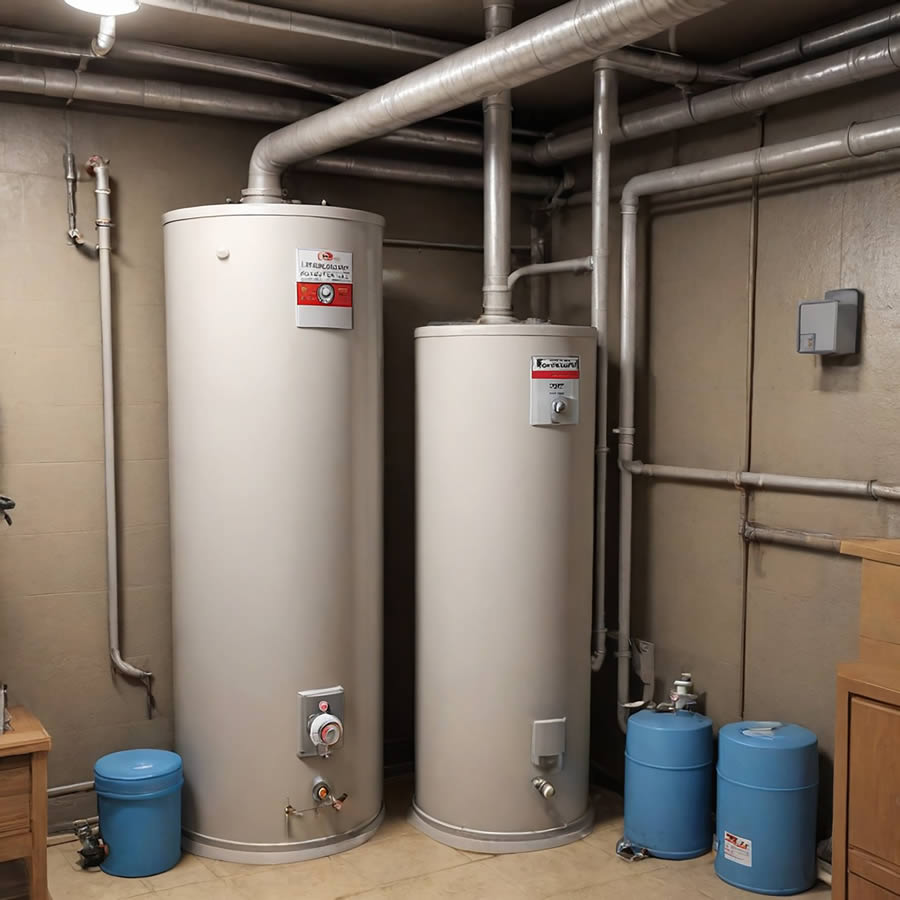
Whether you’re stepping into an unexpectedly cold shower or noticing unusual sounds from your heater, it's…
Read More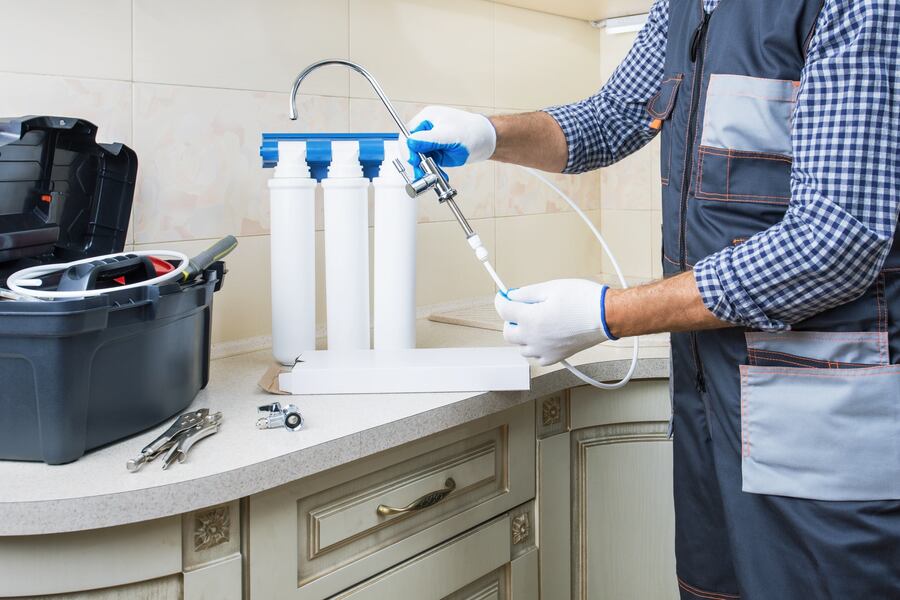
If you want to protect your home and family’s health, the water you drink, cook with,…
Read MoreIron pipes, including older galvanized steel plumbing, can corrode from the inside as protective coatings deteriorate. Over time, corrosion products and sediment accumulate along the pipe walls. When water flow or pressure changes, some of this material can become dislodged and travel through your faucets.
The discoloration may appear after pipe repair, a period of low water use, or a sudden change in water flow. If the problem repeatedly affects several fixtures, aging supply pipes have to be checked by an expert. However, brown water does not automatically mean the entire plumbing system needs replacement. A plumber in Glendale, AZ can assess the pipe material, visible corrosion, and other signs of deterioration before recommending a repair.
Where the discoloration appears can offer useful clues about its source.
These patterns are helpful starting points, not definitive diagnoses. If your water provider has reported maintenance nearby, contact them to ask whether the work could explain the change.
Rust-colored water can stain laundry, sinks, bathtubs, and light-colored fixtures. Sediment may also collect in faucet aerators and interfere with water flow. The larger concern is determining whether discoloration is accompanied by other water-quality problems.
Rust itself is not the same as lead contamination, and water that looks clear is not necessarily free of harmful contaminants. Older plumbing may contain lead service lines or other materials that warrant testing. If the water has changed suddenly, smells unusual, or remains discolored, contact your water provider or a professional plumber for assistance. Avoid drinking or cooking with water of uncertain quality until the source has been assessed, particularly if a contamination advisory is in effect.
Repeated rusty water, visible pipe corrosion, recurring leaks, or declining water pressure can indicate that plumbing components are deteriorating. A professional inspection can help determine whether the issue is limited to a small section, originates inside the water heater, or involves a larger portion of the supply piping. Get in touch with a top-rated plumbing service when you notice discolored water coming out of your faucets.
Depending on the findings, the appropriate solution may involve cleaning a fixture component, repairing a damaged section, or replacing severely corroded pipes. If the discoloration originates in the public water system, replacing your home's pipes may not solve it. The professionals at High Speed Plumbing are here to inspect your entire plumbing and provide you with a lasting solution.
Rusty water coming out of your faucets is a warning sign that something isn’t right with your pipes. Whether it’s caused by corrosion or a major break, acting quickly can protect your water quality and your health. High Speed Plumbing is here to provide you with pipe repair and replacement. Schedule an appointment with the experts at High Speed Plumbing.

Trying to decide between touchless and pull-down faucets? The difference comes down to hygiene, convenience, and…

A faulty garbage disposal can quickly become a frustrating issue in the kitchen. It can lead…

Seeing rusty water come out of taps can be unsettling. One of the most common culprits…

Even the most robust gas line systems can develop issues that threaten safety and impact appliance…

A faucet that becomes difficult to turn, starts dripping, or develops reduced water flow may be…

When was the last time you thought about the condition of your home’s main water line?…
