
Call This Friday to Get $50 Off
Call This Friday to Get $50 Off
A shower that won't drain or can't hold a temperature sends most homeowners searching for answers online before picking up the phone. But fixing shower problems isn't as simple as swapping out a showerhead or tightening a handle. Knowing what a plumber looks for first during a shower repair shows you how professionals narrow down the cause quickly and avoid guesswork. High Speed Plumbing provides this service all the time, and our technicians get to the root of the problem fast. Keep reading to find out what gets checked first, which clues point to bigger issues, and how an accurate diagnosis saves you from repeat service calls.
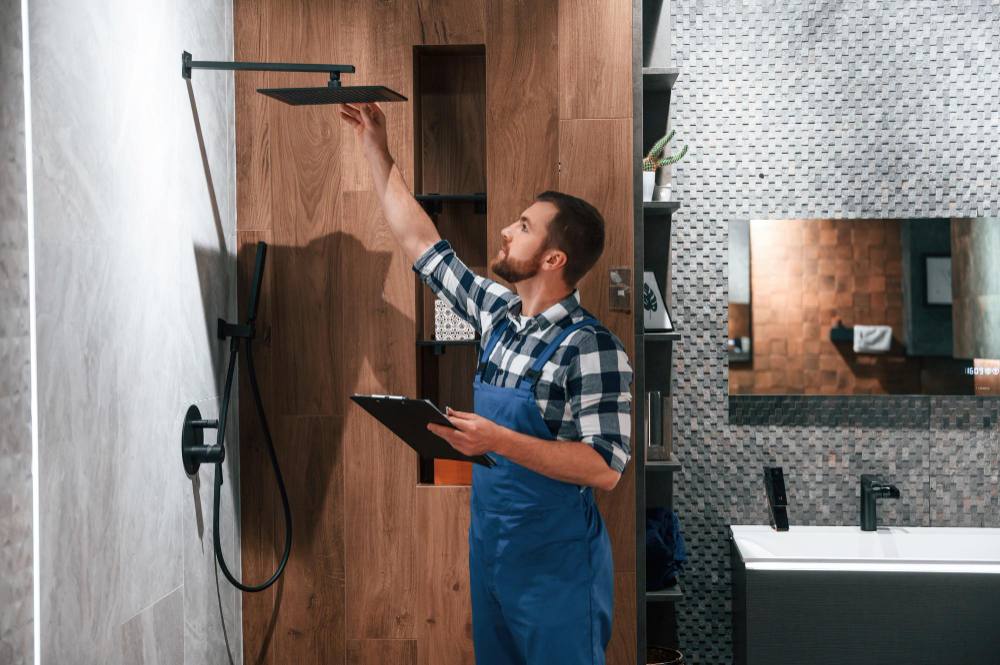
The first thing a plumber does for a shower repair is test the water pressure and flow throughout your bathroom. This reveals problems that affect the entire house versus issues that are isolated to the shower itself. Technicians use a pressure gauge on nearby fixtures to establish a baseline reading. Normal residential water pressure falls between 40 and 60 psi. Readings below that range usually point toward municipal supply problems, a failing pressure regulator, or partially closed main valves. Readings above 80 psi create premature wear on washers, seals, and internal valves. Once the technician confirms that the house pressure falls within the acceptable limits, attention moves to the showerhead and supply lines. Mineral deposits from hard water build up inside aerators and showerhead nozzles, where it restricts flow even though pressure at the source hasn't changed. The easiest way to check is to remove the showerhead and let water run directly from the arm. Strong flow means the fixture is the issue, and cleaning or replacement should solve it. Weak flow coming from the arm points to something further back, like blockages in the supply lines or shut-off valves that aren't working.
When your water line starts acting up, it can threaten your home with unexpected leaks or…
Read More
Whether you’re stepping into an unexpectedly cold shower or noticing unusual sounds from your heater, it's…
Read More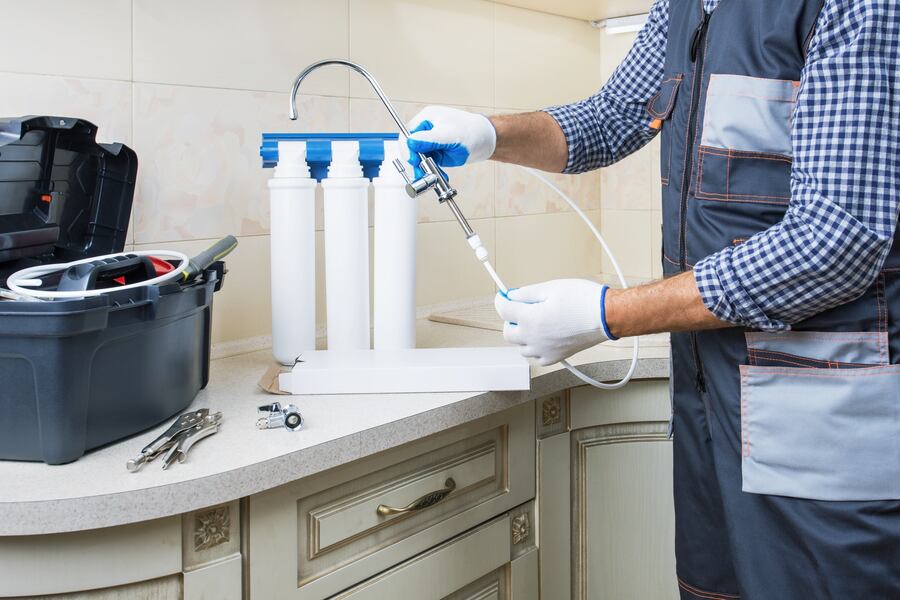
If you want to protect your home and family’s health, the water you drink, cook with,…
Read MoreThe cartridge inside your valve controls water volume and temperature by directing hot and cold supplies through internal ports. Rubber seals eventually harden or crack, metal parts corrode, and springs lose the tension they need. When these components fail, you end up with handles that spin, drips that won't stop after you've turned everything off, or temperature swings in the middle of a shower. To get to the cartridge, plumbers remove the handle and the escutcheon plate that covers the valve body. A visual inspection usually shows obvious damage right away, things like cracked plastic housings or O-rings that have started to fall apart. To test, you have to manipulate the cartridge stem and watch how the water responds. If the cartridge moves freely but won't stop the water, the internal seals are worn out. If it takes too much force to turn, corrosion or mineral buildup has formed on the stem. Cartridges are designed for specific valve models, so getting the identification right matters. The technician will note the brand and cartridge type to make sure replacement parts are correct before moving forward. Finding cartridge failure early is important because it prevents water damage behind your walls, where leaks can sit undetected for weeks.
Water damage behind shower walls costs homeowners thousands of dollars when ignored. During a plumbing service, plumbers can check for evidence of leaks you can't see from inside the shower. Technicians check for water stains on ceilings below the second-floor bathrooms and look at baseboards and flooring near the shower for any warping or discoloration. A musty smell in the bathroom usually means mold is growing from moisture that got trapped somewhere. Soft spots in the drywall tell you water has been sitting there for a while. Moisture meters can measure water content in building materials without having to cut anything open. Thermal imaging cameras pick up temperature differences that show where wet areas are hiding behind surfaces. These tools pinpoint leaks accurately and cut down on how much exploratory demolition the repair work requires. Once a hidden leak is confirmed, the technician traces the water's path back to wherever it started. Usually, the source turns out to be a failed supply connection, a cracked valve body, or drain fittings that have deteriorated. Knowing exactly where the failure occurred means repairs stay targeted instead of replacing parts that are still working fine.
Slow drains are one of the most common shower complaints, and figuring out the cause starts with watching how water leaves the basin. Technicians turn the shower on full and time how fast the drain clears standing water once they shut it off. A drain working the way it should empties the shower floor in seconds. If standing water hangs around for minutes, something is blocking the drain line. Hair mixes with soap residue and forms dense clogs right near the drain opening or down in the trap below. Taking off the drain cover and pulling out whatever debris is visible fixes a lot of slow-drain problems right there. When the blockage sits deeper in the line, a drain snake or auger has to be fed through to break up what's accumulated. Technicians also check the drain assembly itself for damage. Cracked drain bodies allow water to seep beneath the shower pan and into the subfloor. Loose connections between the drain and the trap create similar problems. The condition of the drain gasket matters too. This rubber seal sits between the drain body and the shower base. A gasket that's compressed or deteriorated won't hold a watertight seal, so water escapes during every shower. Confirming that the drain is sound keeps moisture from damaging the structural components under your bathroom floor.
A complete diagnostic on the first visit saves you from scheduling repeat appointments for the same problem. When technicians check pressure, inspect valves, look for hidden leaks, and evaluate drains all at once, they get the full picture. Replacing a worn cartridge without taking low water pressure into account just means you'll call again when the new one wears out from the same conditions. Unclogging a drain without inspecting the gasket means water could still get beneath your shower. These parts work together, and seeing the system as a whole prevents piecemeal repairs that cost more in the long run.
When your shower needs professional attention, High Speed Plumbing delivers fast and accurate service that solves the problem. Our plumbers arrive prepared with the tools and knowledge to diagnose issues efficiently and explain your options clearly. Call today to schedule your shower repair in Gilbert, AZ or plumbing service with a team that prioritizes getting it right over getting it done.
The toilet is one of the hardest working fixtures in your home, silently handling thousands of…
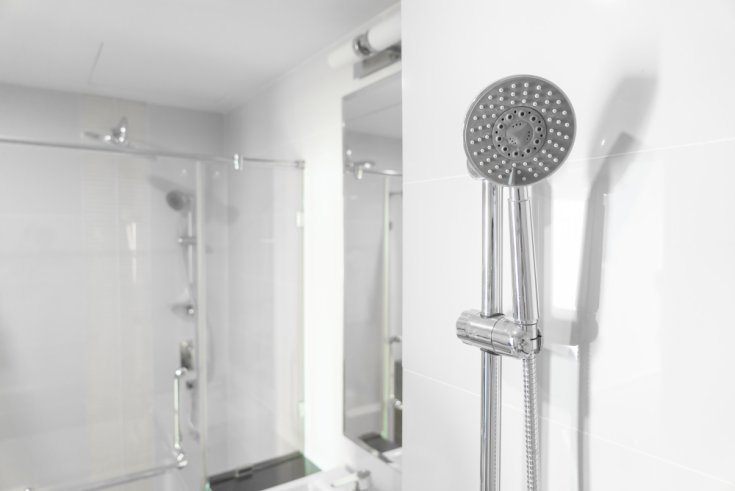
Standing under a shower-head that barely produces enough water pressure to rinse off shampoo properly is…
Keeping your plumbing system in top shape requires more than just a plunger and a little…
Kitchen waste disposal is more than taking out the trash; it is a lifestyle shift toward…
Water is life. This is reality, as we rely on this vital resource for everyday activities,…
As a homeowner, maintaining water quality is a top priority for enhanced safety and health. Whether…
