Call This Wednesday to Get $50 Off
Do You Need a Local Plumber in Phoenix
Call This Wednesday to Get $50 OFF
Call This Wednesday to Get $50 Off
Do You Need a Local Plumber in Phoenix
Call This Wednesday to Get $50 OFF
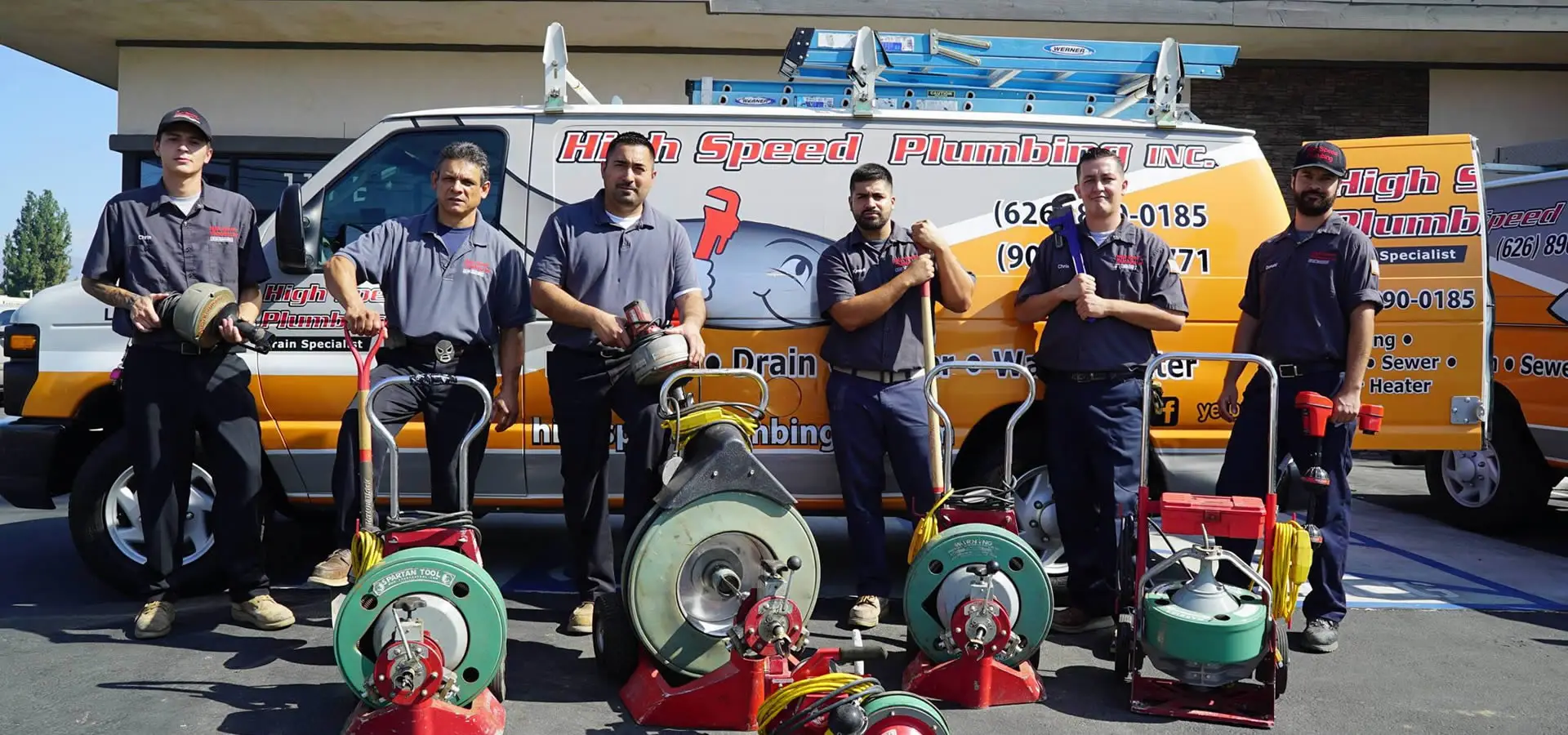
When conventional snaking and chemical drain cleaners stop producing results, hydro jetting offers thorough pipe cleaning that actually solves the underlying problem instead of temporarily pushing it further down the line. But not all hydro jetting jobs are created equal, and what works perfectly for a clogged kitchen drain in a single-family home would be completely inadequate for a restaurant grease trap or an industrial facility processing thousands of gallons daily. At High Speed Plumbing, we've handled hydro jetting for residential vs commercial properties across the full spectrum, and the differences in equipment, technique, and strategy are important enough that choosing the wrong method wastes money at best and damages pipes at worst. Whether you're a homeowner researching your options after a stubborn clog or a business owner comparing maintenance contracts, understanding these differences helps you ask the right questions and avoid paying for services that don't match your needs. We're going to walk through how hydro jetting works and what separates residential jobs from commercial ones.
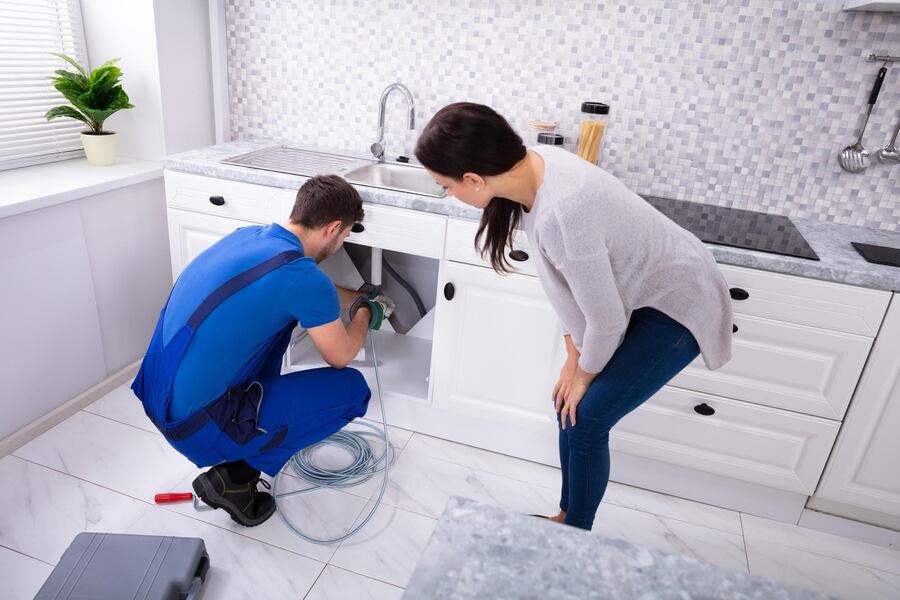
The basic mechanics involve a specialized machine that pressurizes water and forces it through a flexible hose equipped with a specialized nozzle that sprays multiple jets of water backward and forward simultaneously. The rear-facing jets propel the hose deeper into the pipe while the forward-facing jets scour the interior walls. The process removes grease, mineral deposits, soap scum, hair, tree roots, and other debris that traditional snaking methods leave behind. A plumber in Glendale, AZ will first inspect the line with a camera to identify the blockage location, determine the pipe condition, and determine the appropriate pressure level. The camera inspection matters because damaged or corroded pipes can rupture under high pressure. The technician then inserts the hose through a cleanout access point and works systematically through the affected section. Unlike mechanical augers that punch holes through blockages, pressurized water removes the entire obstruction and cleans the pipe walls down to the original diameter. The debris flushes downstream into the sewer main or septic system. Most residential jobs take between one and three hours, depending on the severity of the buildup and the total linear footage involved.
When your water line starts acting up, it can threaten your home with unexpected leaks or…
Read More
Whether you’re stepping into an unexpectedly cold shower or noticing unusual sounds from your heater, it's…
Read More
If you want to protect your home and family’s health, the water you drink, cook with,…
Read MoreResidential drain lines typically measure between 1.5 and 4 inches in diameter and connect to a main sewer line of 4 to 6 inches. These pipes handle relatively light daily loads from showers, sinks, toilets, and washing machines. A plumbing service in Scottsdale, AZ working on a home will usually set pressure between 1,500 and 4,000 PSI. That range removes standard household buildup without risking damage to older cast iron or clay pipes. Commercial systems operate on an entirely different scale. Restaurant drain lines accumulate dense grease deposits. Manufacturing facilities discharge industrial byproducts. Hotels and apartment complexes push hundreds of gallons through their systems every hour. These applications require higher pressures delivered through larger diameter hoses and specialized nozzle configurations. A restaurant with chronic grease buildup needs rotating nozzles that cut through compacted fat deposits. A municipal line with root intrusion requires root-cutting nozzles that slice through organic material before flushing it away. The wrong pressure setting creates real problems. If it's too low, the blockage remains. If it's too high, you risk cracking pipes, breaking joints, or forcing water through weak points in the line.
Homeowners usually encounter the same predictable set of problems. Hair and soap residue accumulate in bathroom drains over months and years. Kitchen lines collect grease, food, and detergent buildup. Main sewer lines develop root intrusion when trees seek water sources through hairline cracks in older pipe joints. Mineral deposits form in areas with hard water, and these gradually reduce pipe diameter until flow slows to a trickle. A professional plumber handles each of these with specific nozzle selections. Penetrating nozzles work best for soft blockages like grease and soap. Chain flail nozzles handle root masses by spinning metal chains that cut through organic material. Standard flushing nozzles suit general maintenance cleaning. The technician selects the appropriate tool based on the camera inspection results. Most residential jobs don't require the maximum pressure output the equipment can deliver. A two-inch bathroom drain line with soap buildup clears effectively at 2,000 PSI. The goal is matching the tool to the task rather than blasting every pipe with maximum force.
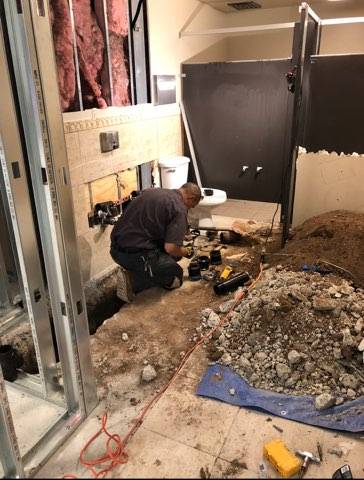
Commercial properties generate waste streams that dwarf residential output. A busy restaurant produces more grease in a single weekend than most homes generate in a year. The grease enters the drain lines hot and liquid, then solidifies as it cools. Each day adds another layer until the line is restricted or closed completely. Scale buildup comes with similar challenges in facilities with hard water. Calcium and magnesium deposits form crystalline structures inside pipes that resist mechanical cleaning methods and require sustained high pressure to remove. A plumbing service handling commercial accounts builds maintenance schedules around these realities. Restaurants typically need quarterly service to stay ahead of grease accumulation and satisfy health department requirements. Industrial facilities schedule service based on production cycles and waste output. Medical buildings require careful attention to lines that carry biological waste. Now think about what commercial drain failure actually costs. A backed up kitchen drain shuts down food service. A clogged main line in a manufacturing plant halts production. Hotels might have to relocate guests and issue refunds. That's why preventive maintenance programs aren't optional.
Residential and commercial properties require fundamentally different approaches to drain cleaning, and the right solution depends on pipe diameter, waste volume, material composition, and usage patterns. High Speed Plumbing brings the equipment and experience needed to handle both ends of the spectrum correctly. We match pressure settings to pipe conditions, select nozzles based on obstruction type, and build maintenance schedules that prevent emergency calls. Contact us today to schedule a camera inspection and get a clear assessment of your drain system. Our technicians serve homes, restaurants, office buildings, and industrial facilities with the same commitment to thorough work and honest pricing.
Gas lines fuel most appliances in households, from furnaces and water heaters to outdoor grills and…
Water is a vital part of everyday life and one of the most important resource in…
Did you know that water damage is one of the most common and costly problems homeowners…
A power outage or system failure has a way of turning an ordinary morning into a…
The toilet is one of the hardest working fixtures in your home, silently handling thousands of…
Standing under a shower-head that barely produces enough water pressure to rinse off shampoo properly is…
